Why Proper Site Drainage Matters in Coastal South Carolina
The Lowcountry is flat, low, and has a high water table. Here is why drainage can make or break your project — and how to get it right.
If there is one thing that separates a Lowcountry site that performs from one that floods, it is drainage. Our flat terrain, sandy soils, and high water table mean stormwater has nowhere to go on its own — so managing it is one of the most important parts of any site project.
The Lowcountry drainage challenge
Unlike hilly regions where water naturally runs downhill, much of coastal South Carolina is nearly level and sits close to sea level. Add frequent heavy rains and tidal influence, and water can pond on a property for days. Without a plan, that means standing water, soggy yards, foundation problems, and erosion.
What good drainage looks like
Proper drainage is a system, not a single fix. Depending on the site, it can include:
- Grading for positive drainage so water flows away from structures.
- Swales and ditches that channel runoff to the right place.
- Catch basins and storm drains that collect surface water.
- Retention and detention ponds that hold and release stormwater.
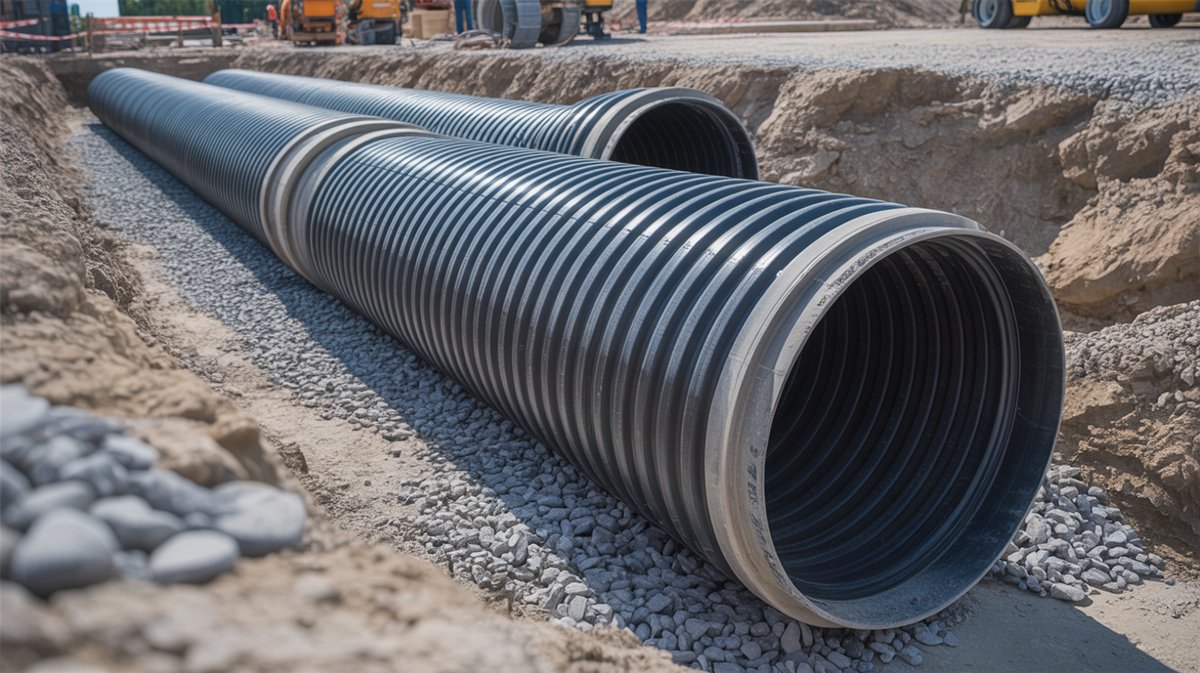
- Underground storage systems where space is tight.
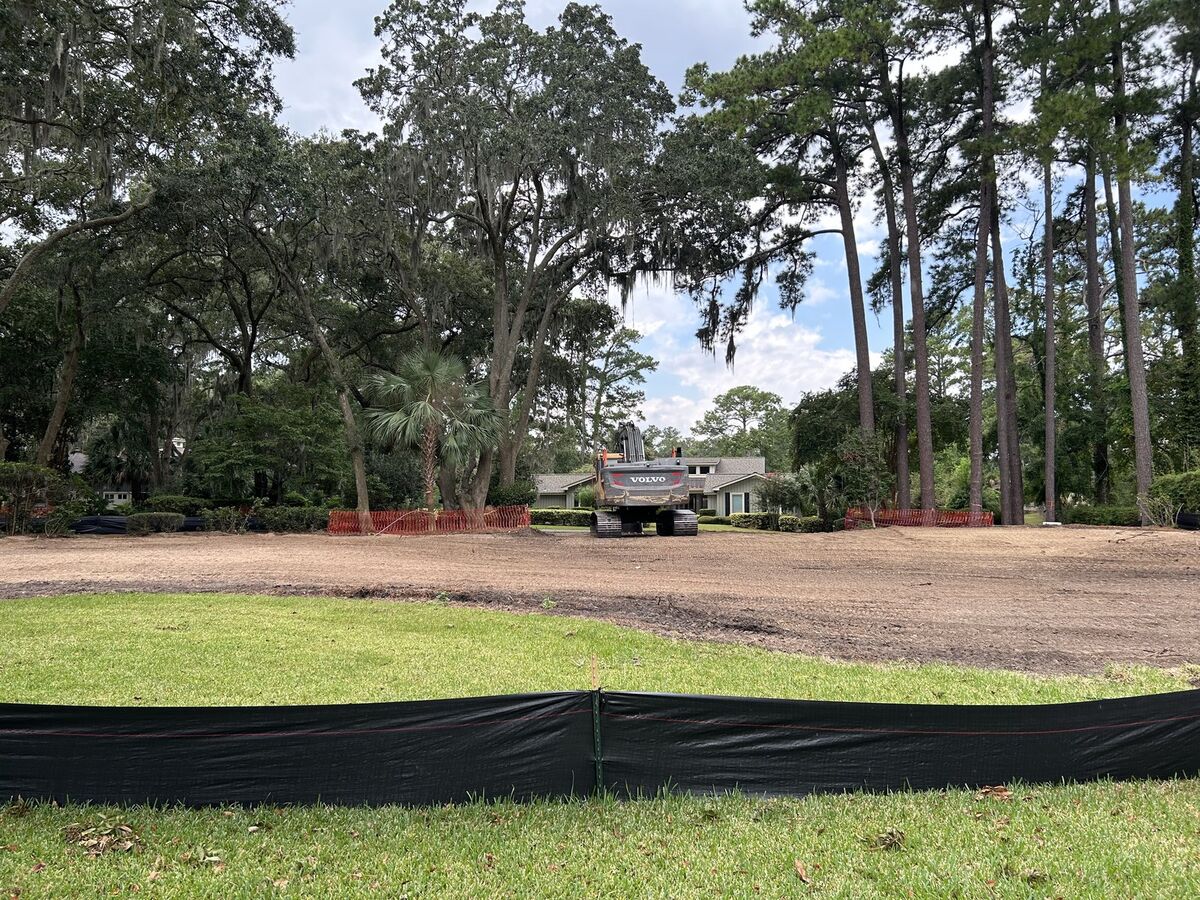
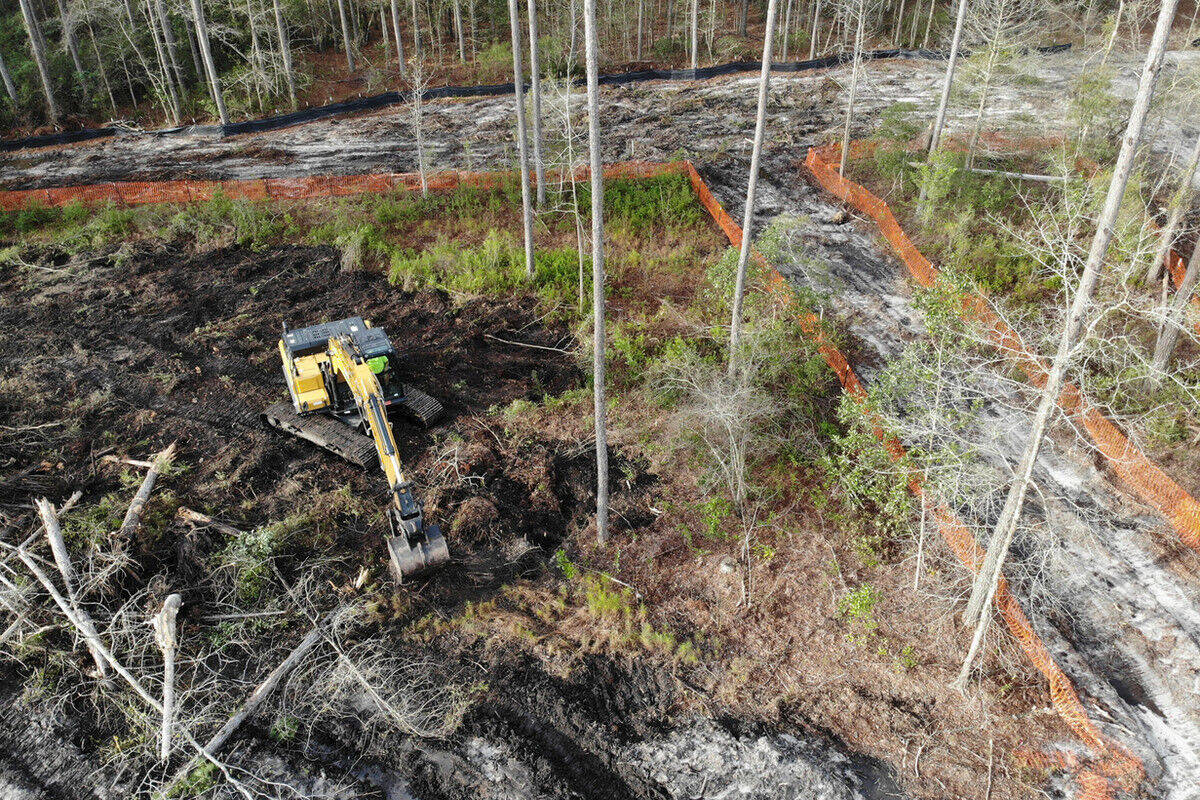
- Erosion and sediment control during and after construction.
Drainage starts at grading
Good drainage begins the moment the site is graded. If the grades are wrong, no amount of pipe will fully fix the problem. That is why we plan drainage and grading together — shaping the land to move water correctly before building the structures that manage it.
Protecting your investment
Investing in proper drainage up front is far cheaper than fixing water damage later. Whether you are developing a new subdivision or solving a flooding problem on an existing property, getting the drainage right protects your investment for decades.
Ready to talk about your project?
Get a free, no-obligation estimate for your site work anywhere in the Lowcountry.